
Home Care vs Nursing Home: Understanding Non Medical In-Home Care Services, Nursing Home Services, and Skilled Nursing Care at Home
Choosing care for a loved one is never easy. Many families feel overwhelmed and unsure where to start. They hear terms like home care, nursing home, and skilled nursing care at home. However, these options are very different.
Understanding these differences can bring clarity and peace of mind. It can also help home care business owners communicate their value with confidence.
What Is Non Medical In-Home Care Services?
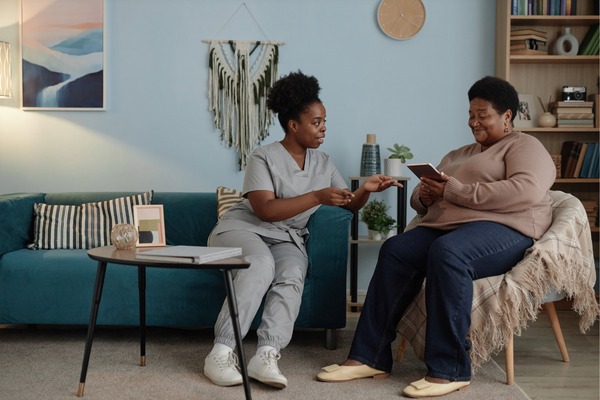
Non medical in-home care services provide support with daily living activities. Caregivers help clients stay safe and comfortable at home.
They assist with:
Bathing and personal hygiene
Dressing and grooming
Meal preparation
Light housekeeping
Transportation and errands
Companionship and social support
Additionally, this type of care focuses on dignity and independence. Clients remain in a familiar environment. They keep their routines and lifestyle.
This is often the biggest reason families choose in-home care services.
What Is a Nursing Home?
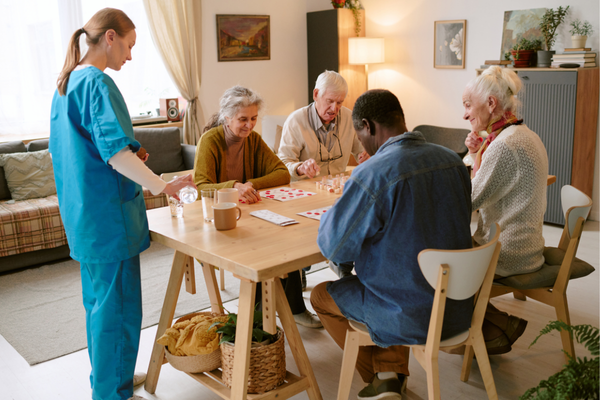
A nursing home is a residential facility where individuals live full time. It provides both personal care and medical support.
Key features include:
24 hour supervision
On-site licensed nurses
Structured daily schedules
Shared living environments
Access to medical care and monitoring
However, the setting is structured. Residents follow schedules set by the facility. This can feel limiting for many people.
Furthermore, moving into a nursing home can be emotional. Families often struggle with guilt and worry during this transition.
What Is Skilled Nursing Care at Home?
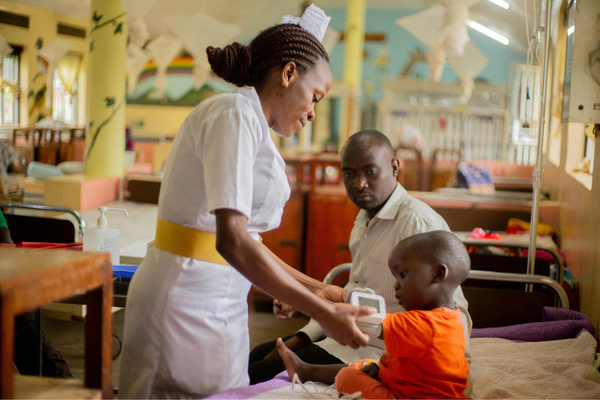
Skilled nursing care at home is medical care delivered by licensed professionals. It is often prescribed by a doctor.
This type of care may include:
Wound care and dressing changes
Medication administration and injections
Monitoring vital signs
Physical or occupational therapy support
Post-surgery or post-hospital care
Additionally, it is usually short-term and focused on recovery.
It is important to understand this clearly:
Skilled nursing care at home is medical
Non medical home care services are supportive

Home Care vs Nursing Home: Key Differences
Environment and Comfort
In-home care services allow clients to stay where they feel safe
Familiar surroundings reduce stress and confusion
Nursing homes require relocation, which can feel overwhelming
Families often stay more involved with home care
Type of Care Provided
Non medical home care focuses on daily support and companionship
Skilled nursing care at home provides medical treatment
Nursing homes offer both, but in a facility setting
Independence and Lifestyle
Home care supports freedom and personal choice
Clients control meals, schedules, and activities
Skilled nursing at home supports recovery while staying independent
Nursing homes follow fixed routines
Level of Personal Attention
Home care often provides one-on-one support
Caregivers build strong, consistent relationships
Skilled nursing visits are task-focused and time-limited
Nursing home staff care for multiple residents at once
Cost and Flexibility
Home care services are flexible and can adjust as needs change
Families control hours and level of care
Skilled nursing care at home may be covered short-term
Nursing homes often have high, fixed monthly costs
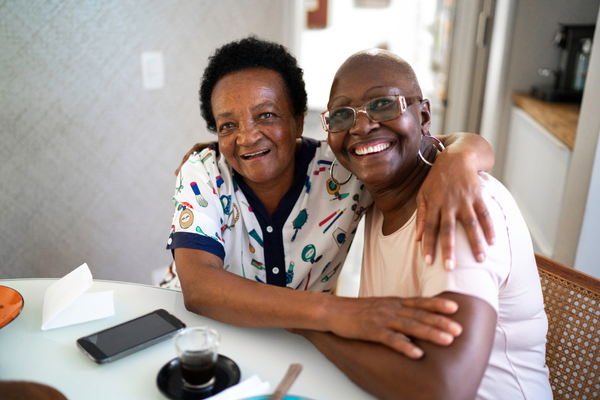
Why More Families Are Choosing In-Home Care Services
The demand for non medical in-home care services is growing. More seniors want to age in place.
Families are choosing home care because it offers:
Comfort and familiarity
Flexible care plans
Strong emotional support
Greater family involvement
A sense of independence
Additionally, home care helps reduce stress for both clients and families. It provides support without removing control.
The Emotional Side of the Decision
Families are not just choosing a service. They are making a deeply personal decision.
They often feel:
Overwhelmed by options
Afraid of making the wrong choice
Guilty about not doing enough
Pressured to decide quickly
When families understand home care vs nursing home and skilled nursing care at home, they feel more confident.
Additionally, they feel empowered to choose what truly fits their situation.

What This Means for Home Care Business Owners
If you are a home care owner, this is your opportunity to lead with clarity.
Many families misunderstand non medical home care services. Your role is to educate and guide.
Focus on:
Explaining differences in simple terms
Using phrases like home care vs nursing home naturally
Showing real examples of how your services help
Addressing both practical and emotional needs
Moreover, consistency matters. Repeat your message across your website and marketing.
When you educate well, you build trust. When you build trust, growth follows.
Final Thoughts
Understanding the difference between non medical in-home care services, nursing homes, and skilled nursing care at home is essential.
Each option serves a purpose. However, home care offers something unique.
It provides:
Comfort in a familiar place
Personalized support
Emotional connection
Greater independence
For families, that means peace of mind. For business owners, that means a powerful opportunity to serve and grow.
If you are a home care owner, take action today:
Review your website and messaging
Clearly explain home care vs nursing home
Educate your audience using simple language
Create content that answers real questions
Additionally, if you feel stuck, do not hesitate to seek support and guidance.
Frequently Asked Questions
Who can benefit from non medical in-home care services?
Non medical in-home care services are not just for seniors. They support:
Older adults who want to age in place
Adults recovering from surgery or illness
Individuals with disabilities
People with chronic conditions
Busy families who need extra support at home
Additionally, anyone who needs help with daily tasks can benefit from in-home care services.
What is the difference between home care vs nursing home?
Home care allows individuals to stay in their own home while receiving support. Nursing homes require individuals to live in a facility with structured care.
Moreover, home care offers more flexibility and independence. Nursing homes provide more medical oversight in a shared environment.
Is skilled nursing care at home the same as non medical home care?
No, they are different.
Skilled nursing care at home is medical and provided by licensed nurses
Non medical home care focuses on daily support like bathing, meals, and companionship
Additionally, both services can work together when needed.
Can younger adults use in-home care services?
Yes, absolutely.
In-home care services support people of all ages. For example:
Adults recovering from injuries
Individuals with mobility challenges
People managing long-term conditions
Moreover, care plans are customized based on each person’s needs, not their age.
How do I know which type of care is right for my situation?
Start by identifying the level of care needed.
If medical care is required, skilled nursing may be appropriate
If help is needed with daily activities, non medical home care is often the best fit
Additionally, many families use a combination of both services for full support.
Is home care more affordable than a nursing home?
In many cases, yes.
Home care allows families to pay only for the hours they need. Nursing homes often have fixed monthly costs.
Furthermore, home care can reduce unnecessary expenses by focusing only on required services.
Can care plans be adjusted over time?
Yes, flexibility is a key benefit of in-home care services.
Care plans can:
Increase as needs grow
Decrease as independence improves
Adjust based on health changes
Additionally, this flexibility helps families stay in control of both care and cost.
What makes non medical in-home care services valuable?
Non medical home care supports both physical and emotional well-being.
It provides:
Comfort in a familiar environment
One-on-one attention
Companionship and social connection
Greater independence
Moreover, it gives families peace of mind knowing their loved one is supported at home.
Women in Home Care
If you are looking for a community of home care business owners, join the Women in Home Care membership!
This is a dedicated space created for individuals in home care who want to feel supported, focused, and in motion as they grow and manage their businesses.
The Heart Behind This Membership
If you’re a woman in home care, you probably:
Carry a big vision but don’t always have a safe place to talk it through
Juggle clients, caregivers, compliance, and family — and still feel like you “should be doing more”
Want to be consistent, but get pulled in a hundred directions
Crave a circle of women who actually understand the realities of this industry
This membership was created so you don’t have to build in isolation.
Inside, you stay connected, stay accountable, and stay encouraged with a rhythm that supports you in whatever season you’re in.
Members self-select into learning environments based on where they are, not where they are told to be.



Mail
Facebook
LinkedIn
X
Pinterest