
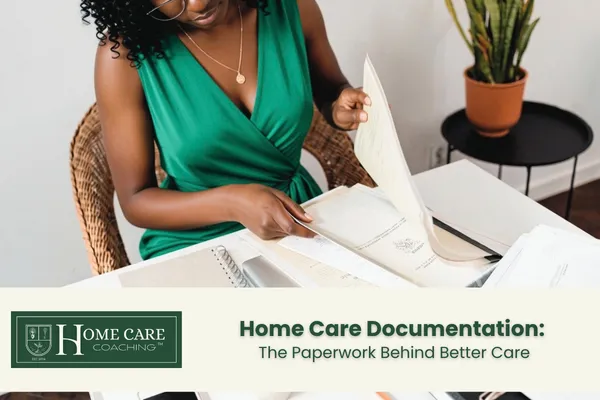
Home Care Documentation: What New Agency Owners Should Understand Before Serving Clients
Home care documentation can feel like paperwork at first. However, it is much more than that.
For a new agency owner, documentation helps protect the client, the caregiver, and the business. It supports communication. It also helps the agency stay organized as care begins.
Many new owners focus on getting licensed, finding caregivers, and getting clients. Those things matter. However, home care documentation should not be an afterthought.
Documentation creates a record of what happened, who was involved, and what care was provided. It also helps owners see patterns before small issues become larger problems.
Why Home Care Documentation Matters
Home care documentation matters because care happens outside the office.
Caregivers are often working alone in a client’s home. Families may not see every shift. Office staff may not be present during daily care.
Therefore, records help connect everyone.
Good documentation can support client trust. It can also help caregivers communicate clearly. Additionally, it gives the agency a stronger picture of what is happening in the field.
Without clear records, confusion can grow quickly. A missed note, unclear update, or incomplete file can create problems later.
Home care is personal work. However, it is still a business. That means owners need structure.
Market and Industry Context
The need for home care continues to grow. The number of Americans ages 65 and older is projected to increase from 58 million in 2022 to 82 million by 2050. That is a major shift for care providers.
Also, many older adults want to stay home as they age. AARP reported that 75% of adults age 50 and older want to remain in their current homes.
This growth creates opportunity. However, it also creates pressure. Owners must be ready to manage care, communication, records, staffing, and client expectations.
Documentation is part of that readiness.
For Medicaid-funded personal care services, states must require Electronic Visit Verification, often called EVV. CMS states that EVV is required for Medicaid-funded personal care services and home health care services under federal timelines.
Not every private pay agency will use EVV in the same way. However, the trend is clear. The industry is moving toward stronger proof of service, cleaner records, and better accountability.
Key Things Owners Should Understand
Documentation Supports Client Trust
Families want to know their loved one is being cared for.
They may ask questions about the shift. They may want to know if meals were prepared. They may need updates about changes in mood, safety, or routine.
Home care documentation helps support those conversations.
It gives the agency a record to review. It also helps families feel that care is being managed with attention.
Additionally, clear documentation can reduce confusion between the family, caregiver, and office team.
Documentation Helps Caregivers Communicate
Caregivers need clear expectations.
They also need a simple way to share what happened during a shift. This may include general care updates, concerns, missed tasks, schedule changes, or client preferences.
When documentation is unclear, the next caregiver may not know what changed.
Similarly, office staff may not know what needs follow-up.
Good documentation helps the team stay aligned. It does not replace leadership. However, it supports better leadership.
Client Records Should Be Organized
Client records are not just files.
They help the agency understand the client’s needs, preferences, schedule, contacts, and service details.
New owners should understand that disorganized records can slow the business down. They can also create stress when a family calls with a question.
Furthermore, records may be needed during internal reviews, payer questions, complaints, or care changes.
An organized agency does not wait until there is a problem to gather information.
Documentation Is Part of Quality Control
Quality care needs follow-up.
Documentation helps owners spot patterns. For example, an owner may notice repeated schedule changes, caregiver concerns, family complaints, or missed communication.
Again, the goal is not to overwhelm the team with paperwork.
The goal is to understand what is happening inside the business.
When records are reviewed with care, owners can make better decisions. They can also support caregivers before frustration grows.
Documentation Can Affect Billing and Service Proof
For many agencies, documentation connects to billing.
The agency may need to show when care happened, who provided care, and what services were included.
This matters even more when third-party payers are involved.
Private pay clients may also ask questions about hours, invoices, or care details. Therefore, owners need records that support the services billed.
Incomplete records can create delays. They can also lead to uncomfortable conversations.
Privacy Must Be Taken Seriously
Home care documentation often includes personal details.
This may include health-related information, contact details, care needs, home access notes, or family concerns.
Owners should treat this information with care.
Additionally, team members should understand that client information should not be shared casually. It should not be placed in unsafe tools, public spaces, or personal chats.
This blog is not legal advice. However, privacy awareness should be part of every serious home care business.
For Business Owners
New owners should think about documentation before the first client begins care.
This does not mean you need to know everything on day one. However, you do need to respect the role records play in your agency.
Before serving clients, owners should understand what information they need to collect, where it will be stored, and who will have access.
Additionally, owners should think about how caregivers will share updates from the field.
Starting with structure helps reduce confusion later.
On another note, there may be times that you may feel stuck in your documentation and processes.
Feeling stuck does not mean your agency is failing.
Sometimes, it means the business has outgrown loose systems.
If your team keeps asking the same questions, your documentation may need attention. If families complain about poor updates, your records may need attention. If billing questions take too long to answer, your files may need attention.
Again, this is not about blame.
It is about building a stronger agency.
Better documentation can help you lead with more clarity. It can also help your team feel more supported.
Moving Forward With Confidence
Home care documentation is not just paperwork.
It is part of client trust, caregiver support, business structure, and long-term growth.
When owners understand documentation early, they are better prepared to manage care with confidence.
You do not need to have every answer today. However, you do need to take documentation seriously.
A strong agency needs clear records, clear communication, and clear leadership.
Continue Your Journey in Home Care
Building a home care agency is meaningful work. You support families during important moments. You also lead caregivers who make a real difference every day.
Additionally, every step you take builds your confidence. Every lesson helps you become a stronger owner.
Already own a home care business? The WOMEN IN HOME CARE™ Membership is a dedicated space created for individuals in home care who want to feel supported, focused, and in motion as they grow and manage their businesses.



Mail
Facebook
LinkedIn
X
Pinterest