
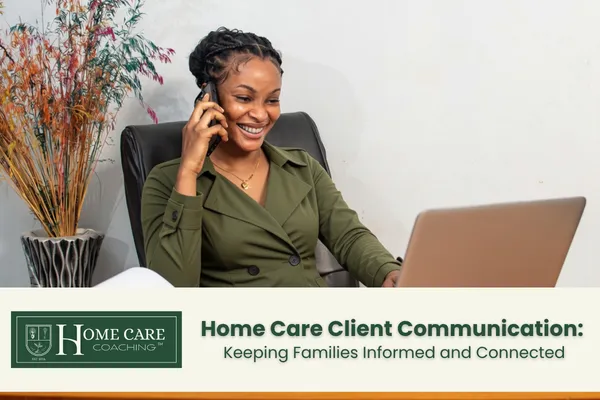
Home Care Client Communication: What New Agency Owners Should Understand Before Families Have Concerns
Home care client communication affects how families experience your agency. Even when caregivers provide excellent care, poor communication can damage trust.
Families want to know what is happening with their loved ones. They expect updates about schedule changes, caregiver concerns, and service-related issues. They also want their questions answered without unnecessary delays.
For new home care agency owners, communication should be part of business planning before the first client begins care.
Established agencies face similar challenges. As the number of clients and caregivers grows, communication becomes harder to manage without clear expectations.
Understanding home care client communication helps owners maintain trust, reduce misunderstandings, and provide a better client experience.
Why Communication Matters in Home Care
Unlike many businesses, home care agencies provide services inside private residences. Owners and office staff cannot personally observe every interaction.
Families depend on the agency to keep them informed about services and concerns. Meanwhile, caregivers depend on the office for instructions, scheduling updates, and support.
Poor communication can affect everyone involved.
A family may become frustrated after receiving conflicting information about a caregiver's schedule. A caregiver may miss an important change because the office failed to communicate it. A client may feel ignored when a concern receives no response.
These situations can damage relationships and affect client satisfaction.
Clear communication helps agencies manage expectations, respond to concerns, and maintain consistent service.
Families Are Managing More Care Responsibilities
Family caregivers play a major role in supporting older adults and individuals who need assistance.
According to the 2025 Caregiving in the U.S. report from AARP and the National Alliance for Caregiving, approximately 63 million American adults provide ongoing care.
Many balance caregiving with employment, parenting, and other responsibilities.
Professional home care services can help families manage some of these demands. However, families still need reliable information about their loved one's care.
A missed update may create additional stress for someone already managing multiple responsibilities.
Home care agencies should understand this pressure when communicating with families. Timely information and respectful conversations can make the care experience easier to manage.
Set Clear Communication Expectations Before Care Begins
Communication problems often begin with unclear expectations.
During client intake, families may have questions about caregiver schedules, service changes, billing, and emergencies.
They also need to understand whom to contact when questions arise.
Some families expect daily updates. Others prefer communication only when something changes. These preferences may also depend on the client's needs and authorized contacts.
Agency owners should establish reasonable communication expectations before services begin.
Families need to understand what information the agency provides, how communication takes place, and when they can expect a response.
Clear expectations reduce unnecessary confusion and help everyone understand their responsibilities.
Keep Caregivers and Office Staff Informed
Home care family communication depends on what happens between caregivers and office staff.
Caregivers frequently notice changes in a client's daily routine. They may observe changes in appetite, mobility, behavior, or personal care needs.
Although non-medical caregivers should not make medical assessments outside their role, they need to report observations and concerns appropriately.
Office staff must also communicate important information to caregivers.
For example, a caregiver may need an updated schedule, revised service instructions, or clarification about a client's preferences.
When employees receive incomplete information, service problems become more likely.
Agencies should establish clear expectations about reporting concerns, sharing updates, and communicating changes.
Caregivers cannot consistently meet expectations they have not received or understood.
Communicate Schedule Changes Promptly
Scheduling changes are common in home care.
Caregivers may call out unexpectedly. Clients may request different hours. Families may need additional support during certain periods.
However, scheduling changes directly affect the client experience.
Consider a family expecting a caregiver at 8 a.m. The caregiver is unavailable, but the family receives no update.
Even if the agency finds a replacement, the lack of communication may damage trust.
Families should receive timely and accurate information when service arrangements change.
Additionally, office staff should avoid promising coverage before confirming that a caregiver is available.
Reliable communication helps agencies manage difficult situations without creating unnecessary frustration.
Address Client Concerns Before They Escalate
Families may hesitate to raise concerns about their loved one's care.
Some worry that complaining could affect the relationship with the caregiver. Others may assume the issue is too small to report.
Therefore, agency owners should make it easy for clients and authorized family members to communicate concerns.
Common concerns may involve caregiver punctuality, service expectations, personality differences, or inconsistent updates.
When someone reports a problem, the agency's response matters.
Owners and managers should listen carefully, document relevant concerns, and provide appropriate follow-up.
Ignoring complaints or responding defensively can make an already difficult situation worse.
Repeated concerns may also reveal problems involving scheduling, caregiver expectations, or internal communication.
Recognizing these patterns supports better home care quality assurance.
Protect Client Privacy During Communication
Home care agencies handle sensitive client information.
This may include care needs, family circumstances, personal preferences, and health-related details.
Agency employees should understand who is authorized to receive client information and what information can be shared.
Family involvement does not automatically mean every relative should receive every detail.
For organizations subject to HIPAA, the U.S. Department of Health and Human Services explains that certain disclosures to people involved in care are permitted under specific conditions. Information sharing must follow applicable privacy requirements.
Agencies should also consider state privacy requirements and client preferences.
Protecting personal information is an important part of professional communication.
Documentation Supports Better Communication
Verbal conversations are easy to forget, especially when several employees manage the same client.
Documentation helps preserve important information and provides a record of relevant conversations and decisions.
For example, a family may request a schedule adjustment. If the office fails to record that request, another employee may provide outdated information.
Likewise, a caregiver may report a concern that requires management attention.
Documenting these interactions helps the agency maintain continuity when responsibilities shift between employees.
As agencies grow, consistent communication records become increasingly important.
Owners managing recurring complaints, missed updates, or conflicting instructions should examine how information moves through their business.
These problems often point to unclear responsibilities or gaps in internal communication.
Build Client Trust Through Consistent Communication
Families form opinions about an agency through everyday experiences.
They notice whether calls are returned, questions receive clear answers, and promised updates arrive.
They also notice when employees provide conflicting information.
Agency owners should treat communication as an ongoing responsibility, not something reserved for complaints or emergencies.
Good communication requires staff accountability, clear expectations, and attention to client concerns.
For newer agencies, these habits help establish professional relationships from the beginning. For growing agencies, they help maintain service consistency as responsibilities expand.
Reliable communication supports client satisfaction and gives families greater confidence in the agency providing care.
Continue Your Journey in Home Care
Home care client communication plays an important role in client satisfaction, caregiver coordination, and agency operations.
Owners who prioritize communication can respond to concerns earlier and maintain stronger relationships with the families they serve.
Preparing to start your non-medical home care agency?
If your state requires licensing, our Done-For-You Licensing Support provides state-specific application preparation and licensing guidance. Your purchase also includes FREE access to Understanding Home Care Ownership and the Home Care Coaching Program.





Mail
Facebook
LinkedIn
X
Pinterest